Straighter teeth are easier to clean, can improve your bite, and many people simply feel more confident with them. Today you can get there with traditional braces or with clear aligners. Here is how they compare.
How they work
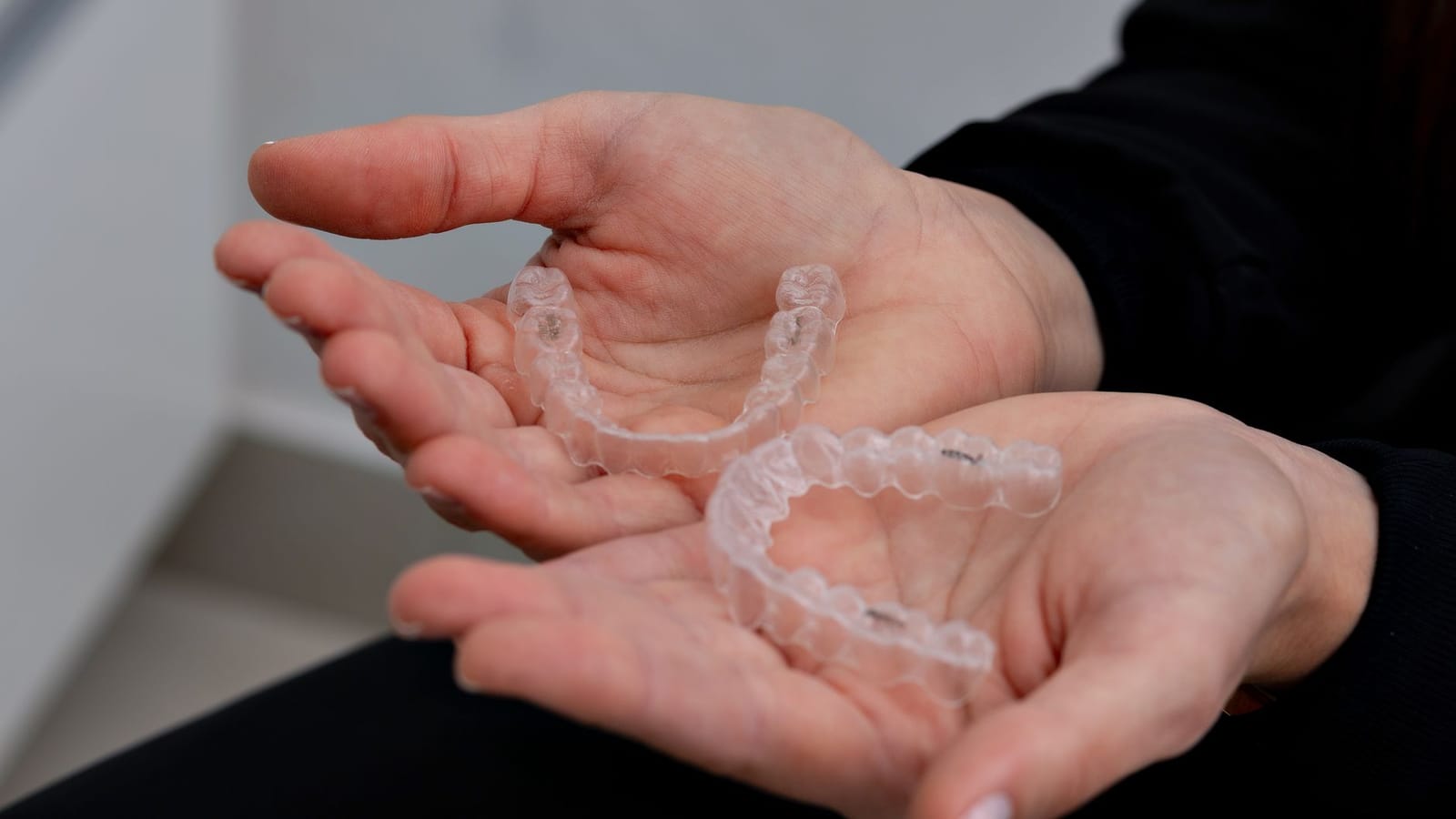
Braces are small brackets fixed to your teeth and joined by a wire that gently moves them into position. Aligners are a series of clear plastic trays, each slightly different, that you change every week or two. Both use gentle, controlled pressure over months.
Appearance
Aligners are almost invisible, which is why many adults prefer them. Modern braces are smaller and more comfortable than they used to be, and tooth-coloured options exist, but they are still visible.
Comfort and daily life
Aligners can be removed to eat, brush and floss, so food and cleaning are simple. The trade-off is discipline: they only work when worn for most of the day. Braces stay on, so there is nothing to remember, but you need to avoid very hard or sticky food and clean carefully around the brackets.
Which cases suit which treatment?
Aligners are well suited to crowding, gaps and mild to moderate bite problems. Complex cases, such as significant rotations, large movements or certain bite problems, are often better treated with braces. A proper assessment is the only way to know which is right for you.
How long does treatment take?
Many cases take between six and twenty-four months. We give you an estimate after your assessment, and explain what could make it faster or slower.
Retainers matter
After your teeth move, they want to drift back. Wearing a retainer as advised is what keeps the result for life.
Start with a conversation
The best way to choose is to talk with an orthodontist about your goals. Request a visit and we will arrange an assessment at the clinic that suits you.