Losing a tooth affects how you eat, speak and smile, and over time the bone where the tooth used to be can shrink. A dental implant replaces the missing tooth, root included, and is one of the most natural-feeling options available.
What is an implant?
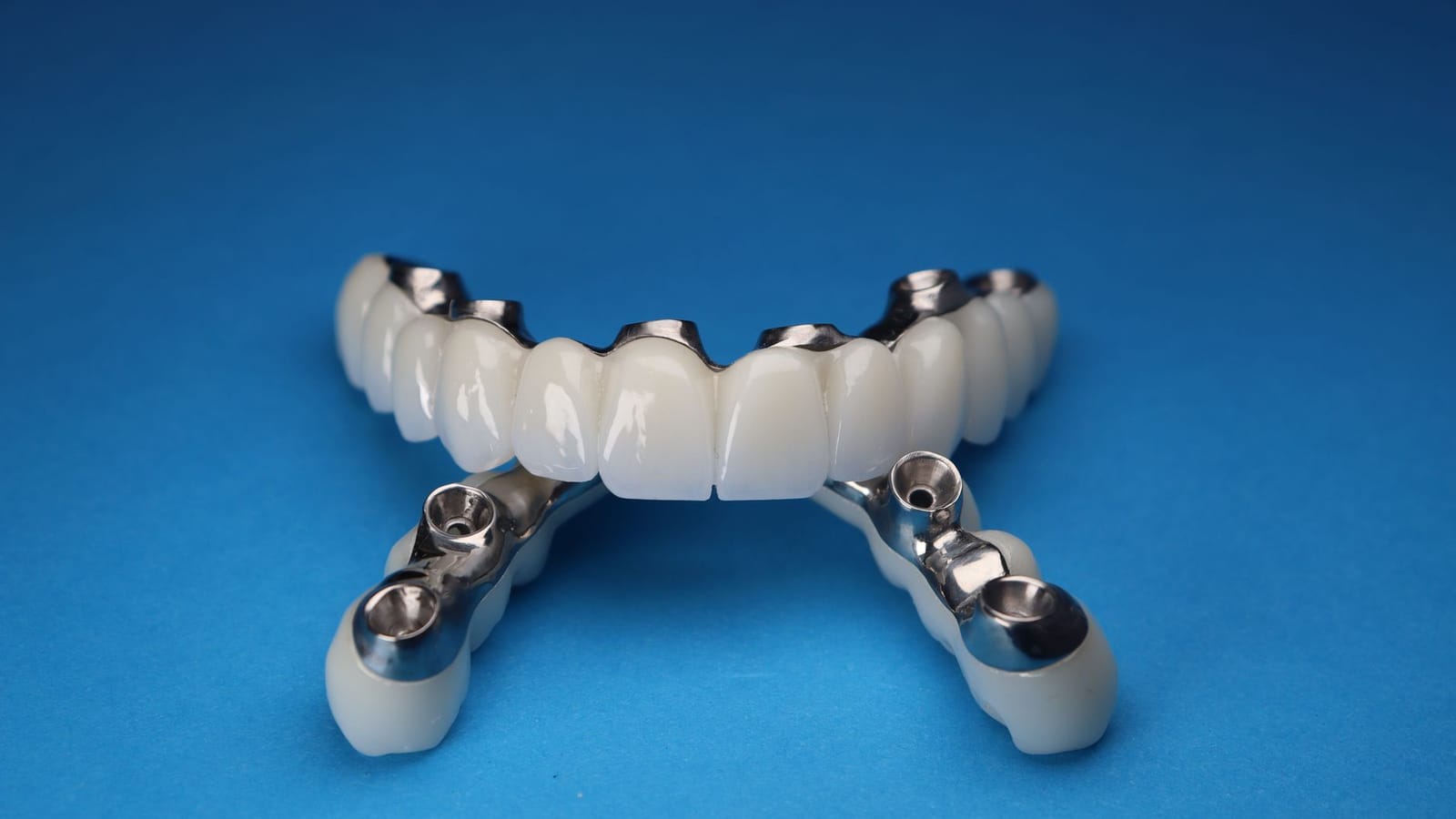
An implant is a small titanium post that is placed in the jawbone, where it fuses with the bone over a few months. A custom crown is then attached to it, so it looks, feels and works much like a natural tooth. It does not rely on the neighbouring teeth for support.
Step 1: assessment and planning
Your dentist examines your mouth, takes scans and discusses your health. The scans show how much bone you have and where the nerves and sinuses are, so the implant can be placed precisely. You receive a clear plan and estimate before anything starts.
Step 2: placing the implant
The implant is placed under local anaesthetic, so you do not feel pain, only some pressure. It usually takes less time than people expect. Afterwards you may have some swelling and mild soreness for a few days, which pain relief and cold packs help.
Step 3: healing
The bone grows around the implant over about three to six months. During this time, you eat soft foods at first, keep the area clean and have a check-up to see how it is healing. A temporary tooth can often be fitted if you are worried about a gap.
Step 4: the final crown
When the implant is firmly in place, a custom crown is made to match your other teeth in shape and shade. It is attached to the implant and adjusted until your bite feels right.
Looking after an implant
An implant cannot decay, but the gum and bone around it can still be affected by infection, so brushing, cleaning between teeth and regular check-ups are essential. Smoking is a major risk factor, so it is worth talking to your dentist about it.
Is an implant right for you?
Most healthy adults with enough bone are good candidates, and bone grafts can help if there is not enough. The best next step is a consultation: send us a request and we will arrange it.