Brushing is the habit everybody has and few people do perfectly. The good news: a better routine takes the same two minutes, and it does not need any special equipment.
Use a soft brush and a small amount of fluoride toothpaste
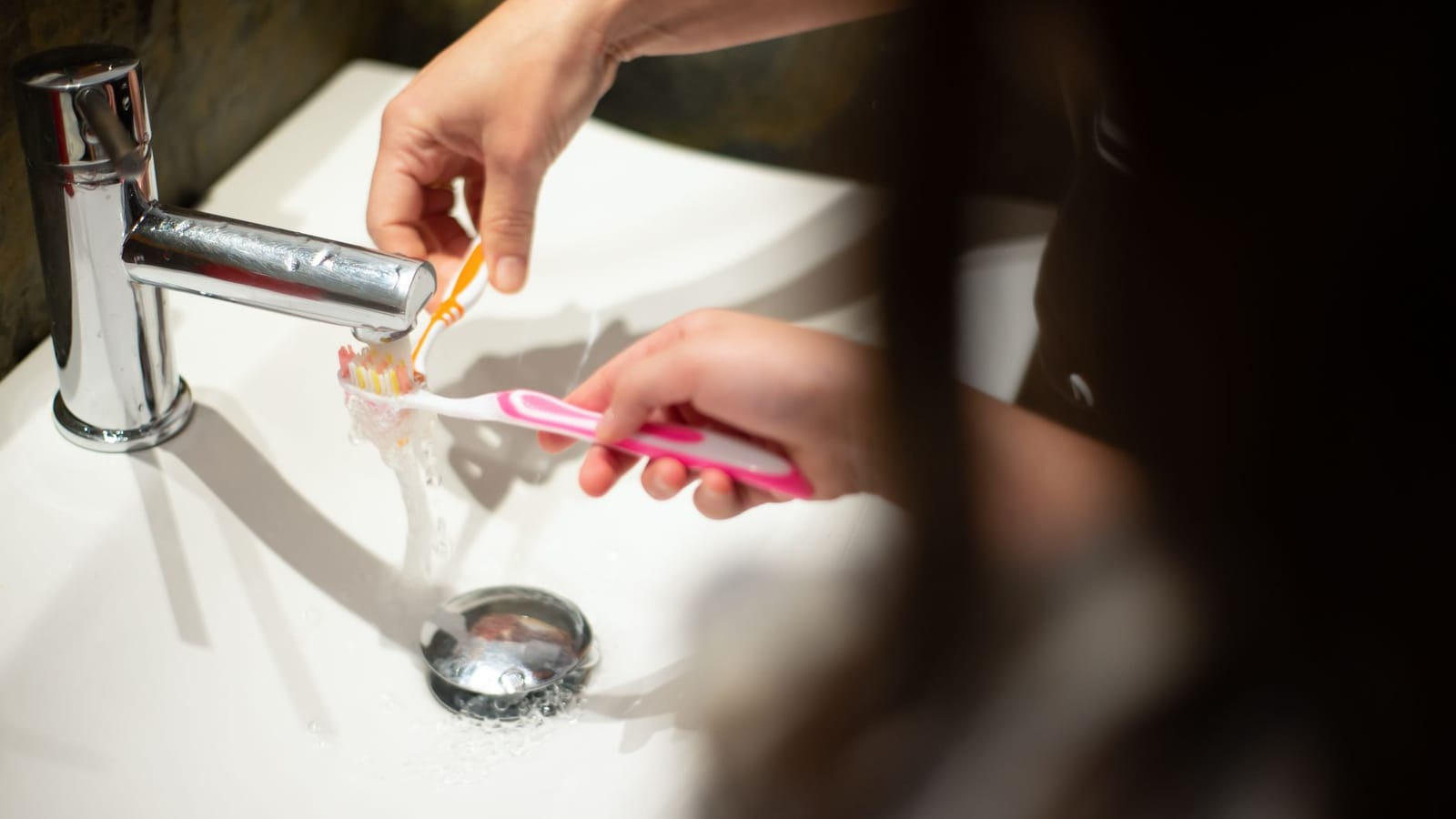
A soft-bristled brush cleans well without wearing down your enamel or irritating your gums. A pea-sized amount of fluoride toothpaste is enough for adults. Spit out the foam afterwards, but do not rinse with lots of water, so the fluoride stays on your teeth a little longer.
Divide your mouth into four parts
Spend about thirty seconds on each quarter: upper left, upper right, lower left and lower right. This stops you spending the whole two minutes on the front teeth, which is what most of us do without noticing.
Angle the brush towards the gum
Hold the brush at a gentle angle, pointing towards the line where the tooth meets the gum, and use small circular or short back-and-forth movements. Scrubbing hard is not better. Light pressure is enough, and too much can push your gums back over time.
Do not forget the hidden surfaces
Brush the outside, the inside and the chewing surface of every tooth. The inside surfaces of the lower front teeth and the back of the last molars are the spots that most often get missed.
Clean between your teeth once a day
A toothbrush cannot reach the tight spaces between teeth, and that is where cavities and gum problems often start. Floss or small interdental brushes, once a day, make a real difference. If your gums bleed at first, keep going gently: it usually settles in a week or two as they become healthier.
Brush twice a day, and wait after acidic food
Brush in the morning and before bed. If you have just had something acidic, like fruit juice or fizzy drinks, wait around half an hour before brushing, because enamel is softer straight after.
When to ask for help
If your gums bleed regularly, your teeth are sensitive, or you notice a persistent bad taste, book a check-up. These are common signs that something needs attention, and they are easier to treat early. Our team is happy to show you the best routine for your own mouth.